Olivia’s Library
I'm a molecular ecologist who uses molecular tools to detect pathogens and non-native species in coastal ecosystems before they become management problems.
Filter Search
Recent Works
Investigating the Ability of a Viral Pathogen of Callinectes sapidus to Infect Other Crabs in the Genus Callinectes and in Panopeid Prey Species
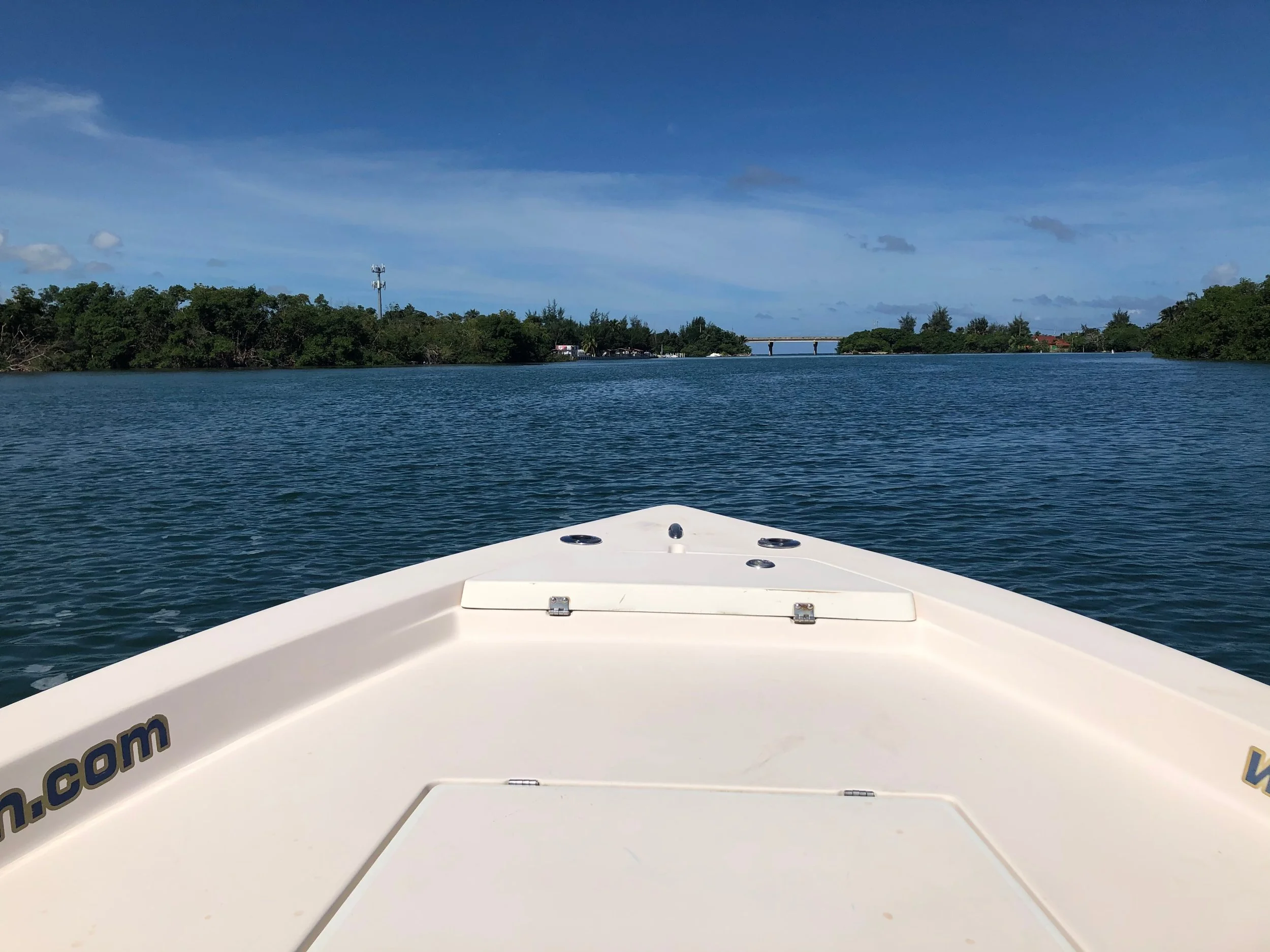
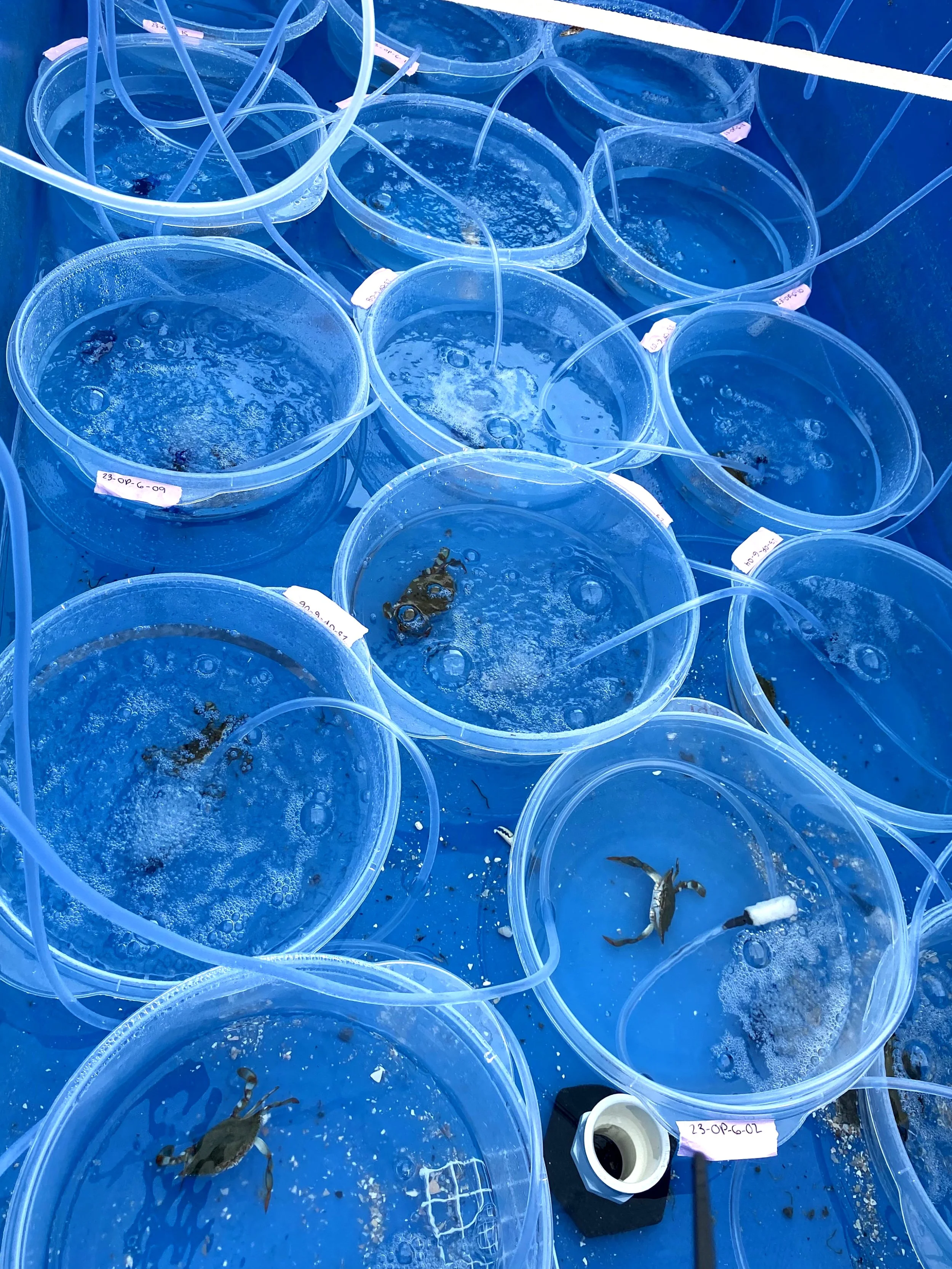
The virus CsRV1 is found in blue crabs throughout their range but nearly disappears in tropical waters, and this study tests whether that pattern reflects a narrow host range or something about the tropical environment itself. Through experimental infections of related swimming crabs and mud crab prey species, alongside field surveys in the Indian River Lagoon and Chesapeake Bay, the work asks which species CsRV1 can actually infect and where the virus might persist unnoticed.
A Tropical Coastal Lagoon Serves as Spawning Habitat for Multiple Callinectes spp.
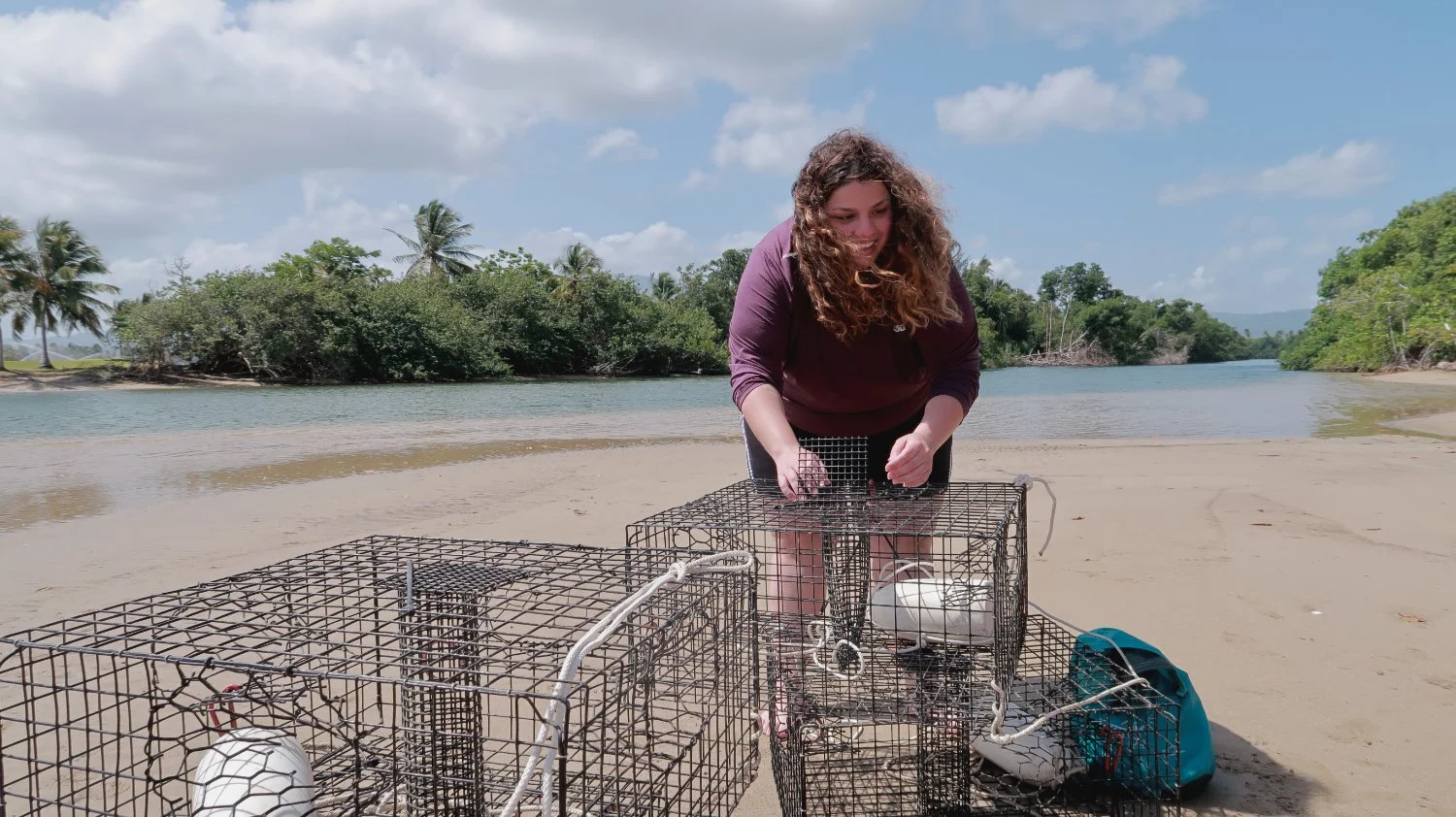
Seven species of swimming crab were trapped in Puerto Rico's Torrecilla Lagoon, and the widespread presence of females carrying late-stage ovaries, egg masses, and egg remnants indicates the lagoon serves as spawning habitat for several of them. The study also establishes size at maturity for the two most abundant species, filling a basic life-history gap that has long stood in the way of evidence-based management of the island's artisanal crab fishery.
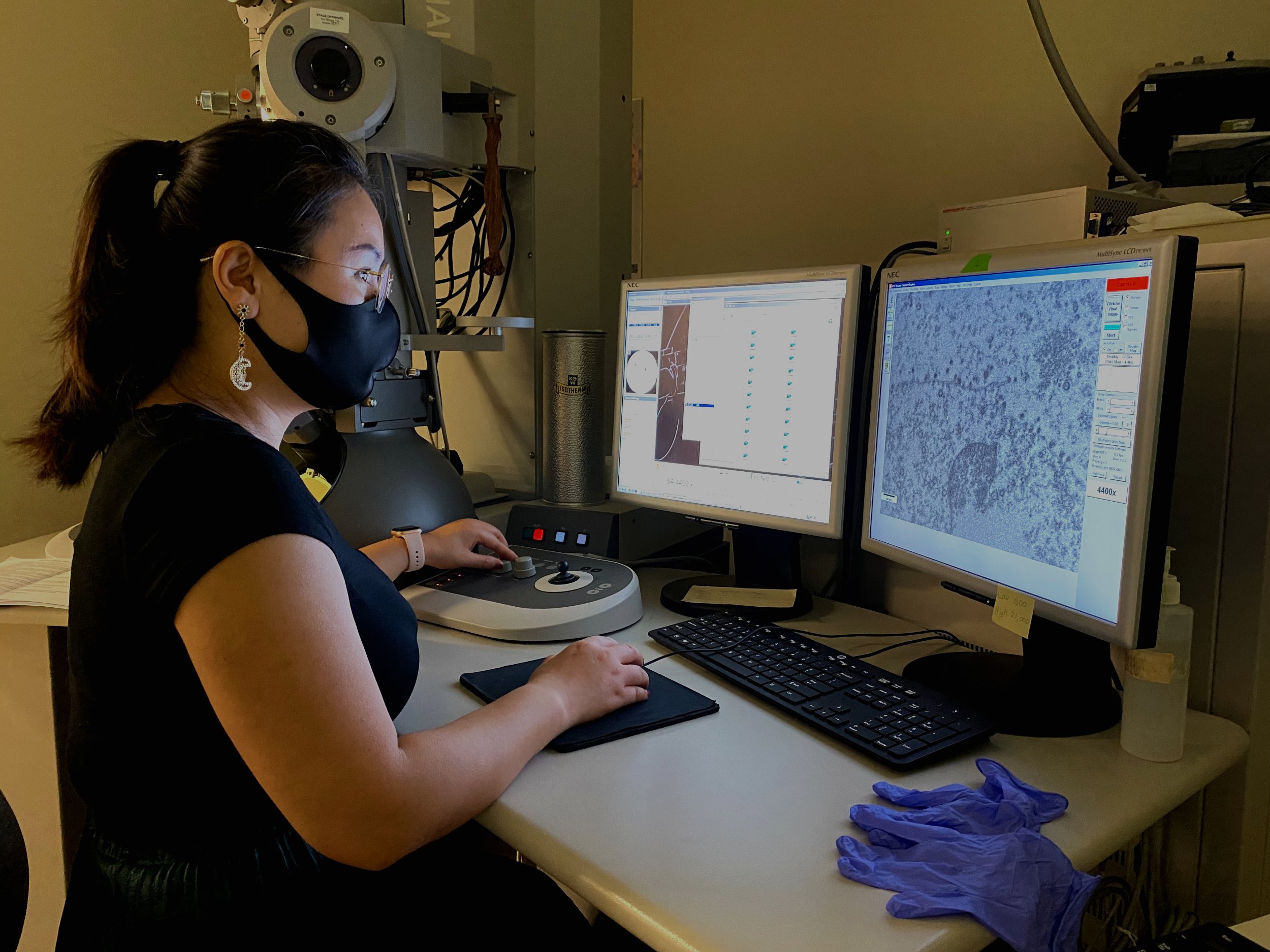
Tropical Disease Ecology in Callinectes spp.: Assessing Environmental Factors and Pathogen Prevalence in Puerto Rico
This study screened five species of swimming crab from Puerto Rico for a parasitic dinoflagellate (Hematodinium perezi) and three viruses, reporting the first detections of H. perezi in four Callinectes species and extending its known range into the Caribbean. Salinity and temperature emerged as consistent predictors of infection across both temperate and tropical systems, and H. perezi was found to co-occur positively with the virus CsRV2 — a possible interaction between the two pathogens.The Atlantic blue crab (Callinectes sapidus) supports commercial and artisanal fisheries from Canada to Uruguay, and managing those fisheries requires understanding what drives population fluctuations, including disease.
I'm open to new opportunities in marine disease ecology, molecular monitoring, aquaculture and fisheries science. Get in touch! I'm always glad to talk about the work!